As more and more of us rely on our phones and gadgets, really getting a handle on how our batteries are doing is super important. I read somewhere that over 60% of folks say battery life is their top priority when choosing a device—that tells you how much we care about staying powered up! That’s why having a good Battery Health Checker is a game changer. These tools can help you spot issues early on and tweak things to keep your device running smoothly.
Honestly, a lot of people don’t realize that batteries don’t last forever and tend to lose their punch over time. For example, Consumer Reports pointed out that batteries can lose up to 20% of their capacity after just a couple of years—that’s kind of alarming, right? So, keeping an eye on your battery health isn’t just a good idea, it’s a must. A Battery Health Checker gives you actual insights, letting you see how your battery’s doing and giving tips to help it last longer.
Getting one of these tools isn’t just about making your device perform better, it can also save you some cash down the line. Instead of jumping to buy a new phone or tablet prematurely, you can catch and fix battery issues early. Plus, it’s better for the environment when we extend the life of our devices. Basically, being smart about your battery health in this tech-heavy world is a total win—saves money, extends device life, and keeps you connected without frustration.

Overview of Battery Health and Its Importance for Device Performance
Battery health plays a crucial role in device performance. A well-maintained battery ensures longer usage times and better efficiency. Research shows that batteries degrade over time due to charge cycles and environmental factors. The lifespan of lithium-ion batteries typically ranges from 300 to 500 full charge cycles, depending on usage. A decline in battery capacity can lead to slower device performance and increased energy consumption.
Using tools like a Battery Health Analyzer can help users monitor their battery status effectively. Regular assessments can highlight issues before they become critical. Data from industry reports indicate that almost 30% of smartphone users experience battery-related performance issues. Many don’t realize that a healthy battery can improve processing speeds and reduce charging times.
Relying solely on default battery settings may not be sufficient. Users should take proactive steps to optimize battery health. This includes adjusting settings, managing app usage, and employing a battery health checker. Inadequate awareness about battery care leads to inefficiencies. Engaging with available technology will provide deeper insights into maintaining optimal performance.
Key Features to Look for in Battery Health Checker Tools
When selecting a battery health checker tool, certain key features stand out. A reliable Battery Health Tester should provide detailed insights into battery capacity and health status. Users should look for tools that measure the battery's current charge cycle and overall lifespan. This information can help determine when a replacement is necessary.
User-friendly interfaces make such tools more effective. A good Battery Health Tester displays information clearly, allowing users to easily interpret the data.Real-time monitoring features are crucial. Being informed about battery performance can prevent unexpected shutdowns.
Additionally, privacy and data security are paramount. Reliable tools should protect user information and not share data without consent. Feedback from other users can provide valuable insights into a tool's accuracy and effectiveness. Seeking reviews and testimonials adds credibility and can guide informed decisions.
Top Battery Health Checker Tools: A Comparative Analysis
When selecting battery health checker tools, several options stand out for their effectiveness and performance. These tools provide in-depth analysis, helping users understand their battery's life cycles and capacity. A reliable tool will present data in a clear format. It should highlight potential issues like overcharging or temperature fluctuations. This information is critical for maintaining battery health.
Many Battery Checker tools come with user-friendly interfaces. They allow users to view detailed metrics such as charge cycles and overall health percentages. If a tool lacks comprehensive data, users may miss important insights. Some applications require regular updates for accuracy. This necessity can be a drawback in terms of convenience. Users should consider tools that minimize these hassles while maximizing functionality.
Ultimately, choosing the right battery health checker tool involves weighing features against user needs. The best tools blend expertise with user-friendly options. They should offer suggestions for optimizing battery lifespan. While no tool is perfect, those that provide actionable advice can enhance device performance significantly. Users must stay informed and adapt as technology evolves.
How to Use Battery Health Checker Tools Effectively
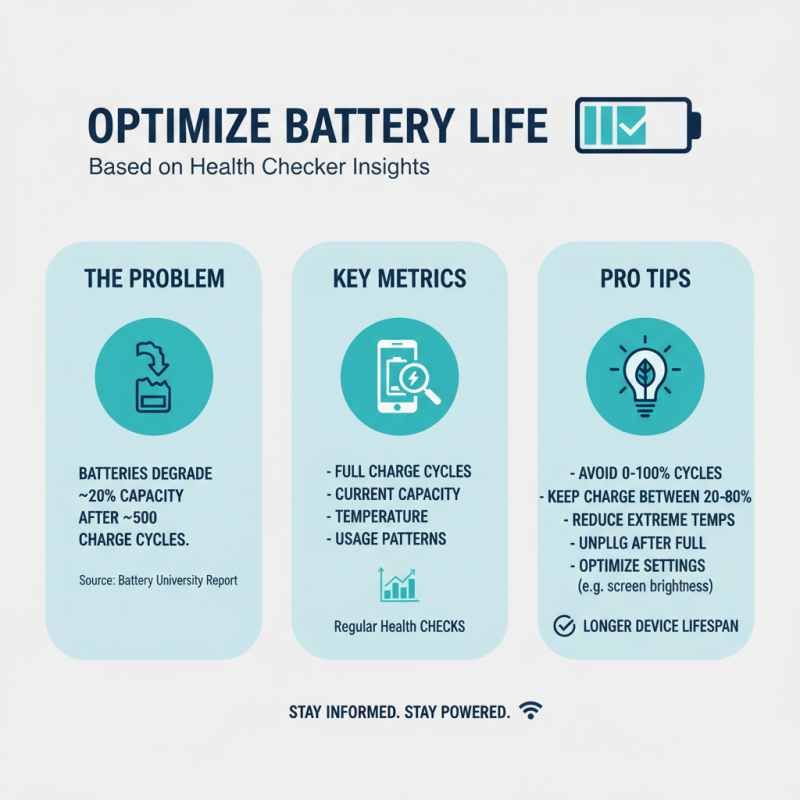
To use battery health checker tools effectively, start by understanding their key metrics. These tools often display battery capacity, charge cycles, and overall health percentages. An alarming statistic is that a significant number of devices lose nearly 20% of their battery capacity after just 300 charge cycles. Regular checks can help you monitor these changes.
When you access these tools, look for a comprehensive breakdown of battery performance. Pay attention to the health percentage. A figure below 80% usually indicates that replacement may be necessary. Users often overlook the impact of temperature on battery life; excessive heat can lead to faster degradation. Protecting your device from extreme conditions is essential for longevity.
Lastly, consider reviewing your charging habits. Many users charge their devices overnight, leading to excessive charge cycles. Studies indicate that charging above 80% or below 20% can adversely affect battery lifespan. Balancing your charge levels and using the insights from health checker tools can significantly optimize performance.
Best Battery Health Checker Tools to Optimize Your Device Performance
| Tool Name | Platform | Key Features | User Rating | Price |
| Battery Doctor | iOS, Android | Battery health monitoring, Optimization tips, Usage statistics | 4.6 | Free |
| CoconutBattery | macOS | Battery health statistics, Lifespan tracking | 4.5 | Free |
| AccuBattery | Android | Battery health, Charge alarm, Discharge analysis | 4.7 | Free with Pro option |
| Battery Info | Windows | Detailed battery information, Charge cycles | 4.2 | Free |
| Gadgetbridge | Android | Battery health, Notifications, Wearable device support | 4.4 | Free |
Interpreting Battery Health Results: Understanding Key Metrics
Understanding battery health metrics is crucial for maintaining your device's performance. Key indicators in Battery Health Testing include capacity, charge cycles, and voltage. Capacity shows how much charge your battery holds compared to when it was new. A decrease in capacity means shorter battery life. Charge cycles indicate how often your battery has been drained and recharged. Each cycle wears the battery down slightly, impacting overall lifespan.
Voltage readings can provide insights into battery health as well. A normal voltage range is essential for optimal performance. Deviations from this range can signify underlying issues. User awareness of these metrics can aid in troubleshooting. Noticing a trending decline in these areas suggests that a deeper assessment is needed.
Interpreting these results requires a keen eye. If the capacity is noticeably low, you may need to limit heavy usage. Frequent recharges can exacerbate wear on your battery. This delicate balance between usage and performance is something many overlook. Improving battery health isn't just about monitoring numbers; it's about understanding the implications of those metrics on daily use.
Tips for Optimizing Battery Life Based on Health Checker Insights
Many users overlook battery health, which is essential for optimal device performance. The recent report by Battery University highlights that batteries degrade at about 20% capacity after 500 full charge cycles. Regular insights from battery health checkers can guide users on how to enhance longevity. Understanding these metrics can significantly impact usage patterns.
To optimize battery life, consider adjusting screen brightness. For instance, dimming your screen can save up to 10% of battery life. It's also wise to disable background apps. This simple action can improve battery efficiency by as much as 20%, according to Energy Department findings. Regular monitoring of app performance allows users to react to changes more effectively.
Delving deeper into battery cycles reveals an alarming truth: many users seldom charge to full capacity. Inconsistent charging habits can hinder performance. This insight often prompts users to rethink their daily routines. Moreover, keeping devices cool is vital, as high temperatures can accelerate wear on lithium batteries. Understanding these health metrics proves essential in fostering better device habits.
Regular Maintenance Practices to Enhance Battery Longevity
Maintaining battery health is crucial for optimal device performance. Regular practices can greatly enhance battery longevity. For instance, avoiding extreme temperatures can help prevent deterioration. High heat can cause chemical reactions within a battery, leading to faster capacity loss. Cold temperatures can temporarily reduce performance but can also affect battery lifespan if exposure is prolonged.
Using a reliable Lithium Battery Checker can provide insights into your battery's condition. It can highlight issues like capacity degradation and charging cycles, helping you make informed decisions. Additionally, calibrating your battery every few months helps ensure accurate readings. Yet, not everyone remembers to perform this step. Small habits, like always letting the battery drop to zero, can create long-term damage.
Proper charging practices also play a significant role. Keeping your device plugged in after reaching full charge can lead to overcharging. This may seem harmless, but it can shorten battery life over time. It's essential to charge your device in cycles instead of keeping it plugged in continuously. Reflecting on these habits is vital for maintaining a healthy battery.
FAQS
: Look for tools that provide detailed insights on battery capacity and health status. They should measure charge cycles and lifespan.
A clear interface helps users interpret data easily. It enhances the effectiveness of monitoring battery health.
Key metrics include battery capacity, charge cycles, and overall health percentages. Regular monitoring can reveal important changes.
Yes, excessive heat can degrade battery performance. Protecting your device from extreme temperatures is crucial for longevity.
Regular checks are recommended, especially after significant charge cycles. Surveys show 20% capacity loss may happen after 300 cycles.
Avoid charging overnight or letting the battery drop below 20%. This can lead to excessive cycles and shorten battery lifespan.
Privacy matters. Choose tools that protect user information and do not share data without consent.
User feedback adds credibility. It can guide your decision toward choosing more accurate and effective battery health checkers.
Conclusion
In today's technology-driven world, maintaining optimal battery health is crucial for device performance. Battery Health Checker tools serve as essential resources that allow users to monitor and assess their device's battery status. Understanding key metrics such as charge cycles, capacity, and wear level is vital for interpreting battery health results effectively. By evaluating these indicators, users can make informed decisions to enhance their device's longevity and performance.
Utilizing a Battery Health Checker involves familiarizing oneself with its key features, enabling users to analyze battery performance comprehensively. Regular maintenance practices, coupled with insights from these tools, can significantly extend battery life. By adopting recommended optimization tips based on battery health insights, users can ensure their devices remain functional and efficient, ultimately leading to a better user experience.

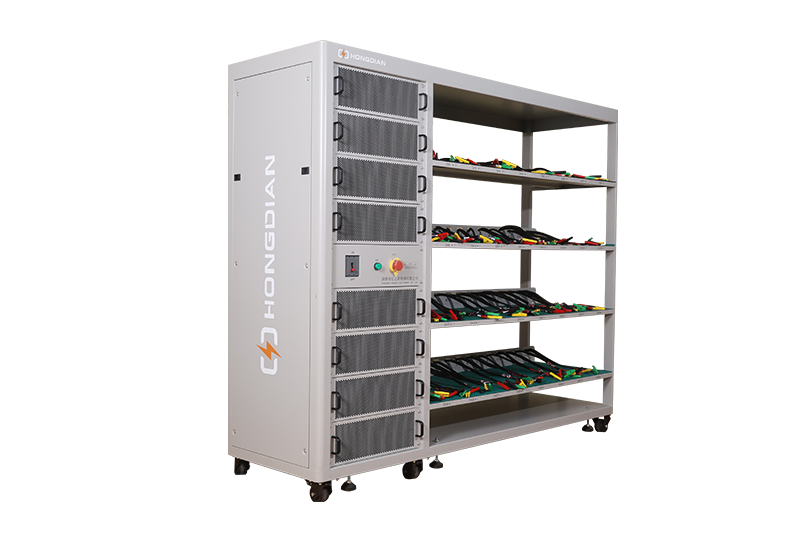 32/48 channel battery charging and discharging test integrated battery cabinet
  40 channel battery charging and discharging test integrated battery cabinet
  64 channel battery charging and discharging test integrated battery cabinet
 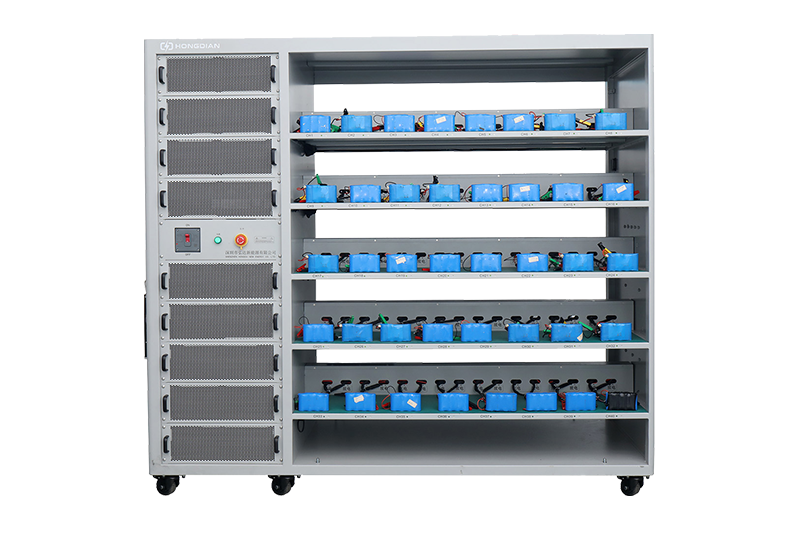 80 channel battery charging and discharging test integrated battery cabinet
 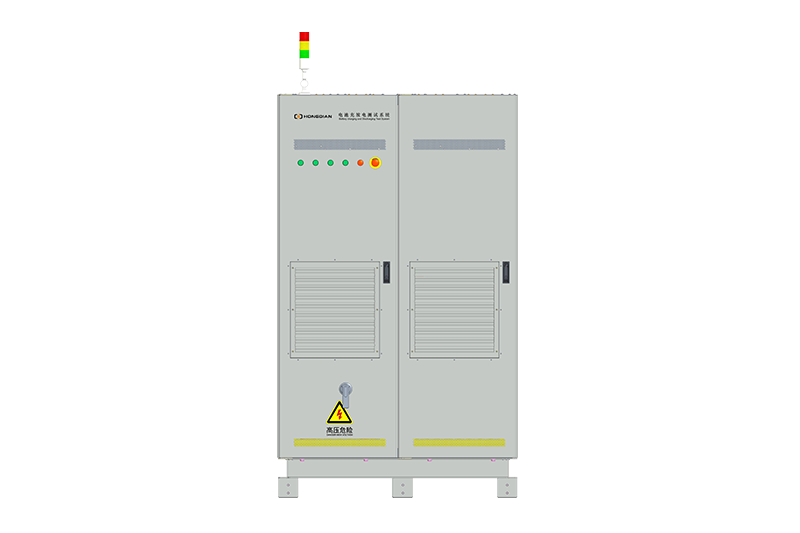 1000V-1500V High Voltage High Current Battery Testing System
 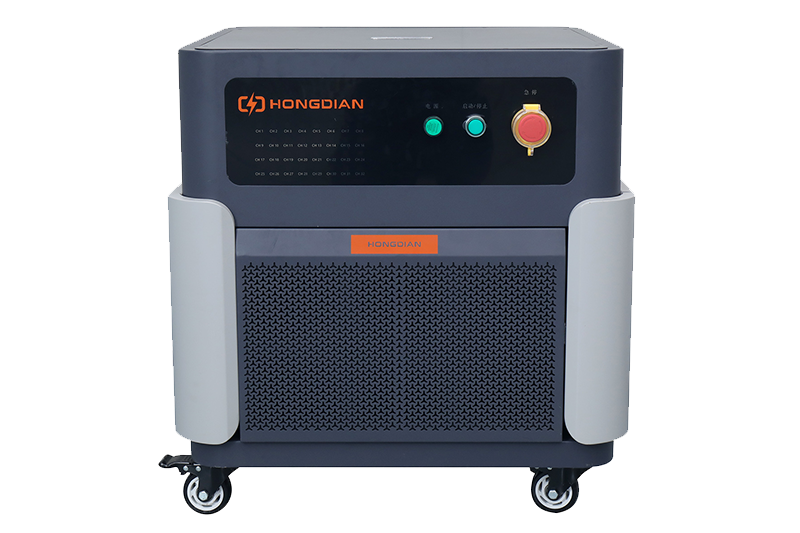 High-Precision Battery Testing System for Enhanced Performance Monitoring 30V/60V/100V/120V
 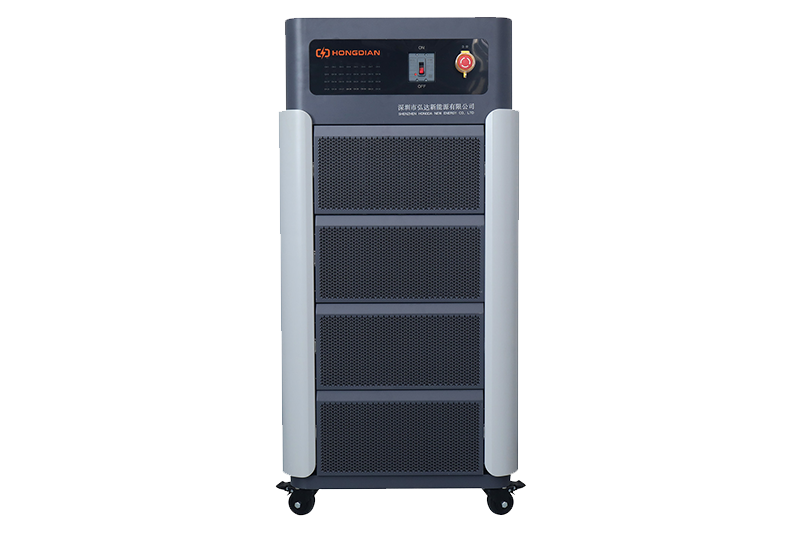 High-Precision Battery Charge Discharge Test Systems for EV Manufacturers
 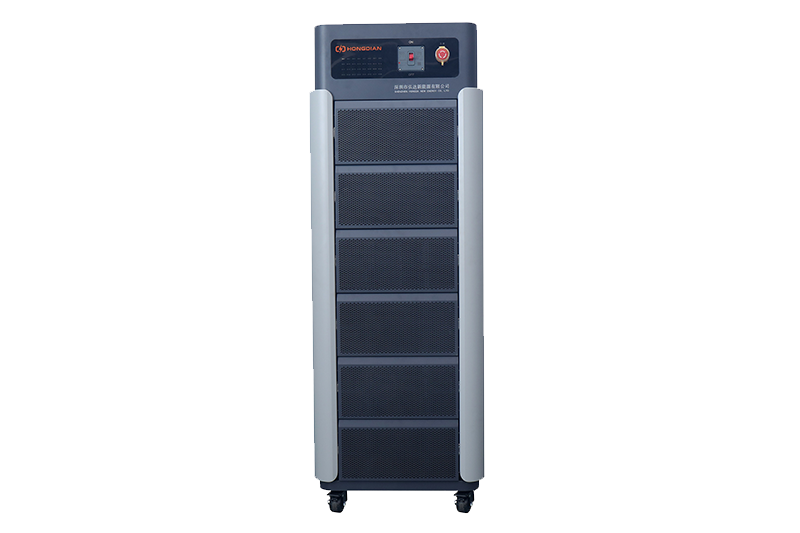 Precision Battery Test Racks for Cell Capacity & Internal Resistance Measurement
  Multi-Channel Battery Testing Equipment for Parallel Performance Analysis