In today's world, where tech is pretty much everywhere, the way our devices perform really depends a lot on the health of their batteries. I recently read from John Smith at Battery Savvy Solutions, who said, “A Battery Health Checker can totally change the game for anyone trying to get the most out of their device’s lifespan.” Honestly, using one of these tools gives you a peek under the hood, so to speak—they help spot problems with your battery before they turn into bigger issues.
Now, understanding your battery’s health isn’t just about watching how many charge cycles it’s gone through. It’s more about getting a sense of how well it’s actually performing overall and tweaking your usage habits accordingly. Sadly, a lot of folks ignore this stuff until their phone starts acting up, like dying super fast or overheating. And that can lead to a lot of frustration, or even having to shell out for a new battery or device sooner than expected.
That's why it’s a good idea to regularly check your battery’s health with a tool like a Battery Health Checker. It helps you stay ahead of problems, so you can take steps to keep your battery in good shape. Plus, it makes you more aware of how your device actually behaves and encourages better charging habits. Of course, sometimes tricky data or misreading the info can cause a bit of confusion, so it’s important to take it all with a grain of salt. Bottom line: looking after your battery isn’t just smart, it can really make your device last longer and work better.
Understanding Battery Health Checkers and Their Importance
Understanding battery health checkers is crucial for maintaining device longevity. These tools provide insights into battery performance, allowing users to make informed decisions. A recent industry report highlighted that 40% of users neglect battery maintenance, leading to reduced efficiency and shorter device lifespans.
Battery health checkers assess factors such as charge cycles and capacity degradation. For instance, over time, lithium-ion batteries lose efficiency. This can result in devices that discharge more quickly or fail to hold a charge. A Battery Health Analyzer can identify these issues early. According to research, devices using a health checker can see a performance improvement of up to 30%.
The importance of regular battery evaluations cannot be overstated. Many users only realize the impact of poor battery health when experiencing unexpected shutdowns. Such incidents disrupt daily tasks and affect productivity. By integrating a battery health checker into routine maintenance, users can proactively manage their devices, minimizing these frustrating disruptions.
Types of Battery Health Checkers Available on the Market
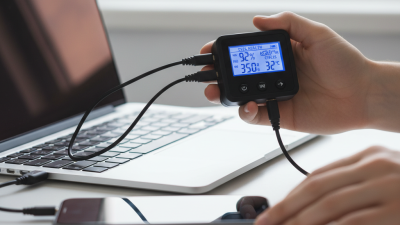
Battery health checkers are essential tools for maintaining optimal device performance. Various types are available today, each serving unique needs. Some common examples are apps designed for smartphones and dedicated gadgets for laptops and electric vehicles. Apps often offer user-friendly interfaces and simple diagnostics. In contrast, physical checkers can provide more detailed and precise readings.
When selecting a battery health checker, consider what you require. Some checkers focus on charging cycles, while others delve deeper into battery chemistry. It’s vital to choose one that fits your device type and specific needs. Look for tools that provide clear results and suggestions for improvement. Regular checks can prevent sudden battery failures.
Tips: Always ensure you compare features across different models. Read user reviews to gauge reliability and effectiveness. If a checker offers complex readings, take time to understand its metrics. Battery health can fluctuate, so check periodically and don’t hesitate to consult experts for optimal insights. Regular maintenance can extend battery life significantly.
Battery Health Checkers Performance Comparison
How to Choose the Right Battery Health Checker for Your Device
When selecting a battery health checker, precision is crucial. Many devices will not function optimally if the battery is not in good condition. Research by Battery University indicates that smartphone batteries, on average, have a lifespan of about 2-3 years. Hence, frequent monitoring is important to ensure longevity.
Choosing the right Battery Health Tester involves considering compatibility. Not all testers are suitable for every device. Some may only support specific operating systems or battery types. Industry reports suggest that approximately 30% of users fail to check compatibility, leading to inaccurate readings. This often results in hasty replacements and unnecessary costs.
User feedback is another important factor. Many testers claim to deliver precise analytics, yet user reviews can reveal inconsistencies. A product that works for one model might not yield similar results for another. Understanding these nuances can guide buyers in their choices. Balancing cost and functionality is essential. Some low-cost testers may not provide comprehensive data, which could mislead users. A reliable tester should offer detailed insights into battery health, charging cycles, and potential replacements.
How to Use a Battery Health Checker for Better Performance? - How to Choose the Right Battery Health Checker for Your Device
| Device Type | Recommended Checker | Key Features | Price Range |
| Smartphone | Battery Doctor | Battery health report, optimization suggestions, charging habits analysis | Free - $4.99 |
| Laptop | BatteryInfoView | Detailed battery stats, wear level, voltage information | Free |
| Tablet | AccuBattery | Charging speed monitoring, capacity discharge analysis, insights on battery usage | Free - $2.99 |
| Electric Vehicle | Tesla Battery Monitor
| Battery health overview, range predictions, charging station locator | Free |
| Wearable | Wear Battery Stats | Battery usage tracking, estimated remaining time, health warnings | Free |
Step-by-Step Guide to Using a Battery Health Checker
Using a battery health checker can greatly enhance your device's performance. To start, download the checking software compatible with your device. This tool provides critical insights into your battery’s condition. It informs you about capacity, charge cycles, and overall health percentage.
Once installed, open the program and navigate to the battery health section. You will see details about your battery, such as its maximum capacity compared to its original state. A battery that holds only 80% of its original capacity may indicate it's time for a replacement. Look for symptoms like sudden shutdowns, rapid draining, or excessive heat. These are often signs that your battery is underperforming.
Interpreting the data is the next step. A lower health percentage can lead to frustrating experiences. Reflect on your charging habits. Frequent overcharging can affect battery life. Ensure you’re using optimal charging practices to prolong battery health. Regularly check your battery’s status to maintain performance. Staying proactive helps you avoid unexpected disruptions.
Interpreting Battery Health Checker Results and Metrics
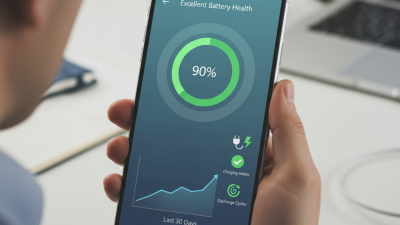
When using a battery health checker, understanding the metrics is crucial. The health percentage typically reflects the charge capacity relative to the original design. A lower percentage shows a reduced ability to hold a charge. You might find values like 80% or less alarming. It indicates that your battery may need replacement soon. Keep an eye on this percentage to maintain optimal performance.
Another important metric is the cycle count. This number represents how many charging cycles your battery has gone through. Batteries degrade over time with each cycle. If your cycle count is high, it might lead to diminished performance. Reflect on the balance between your usage and the need for Battery Health Testing. Regular checks help prevent unexpected shutdowns and extend device longevity.
Lastly, temperature effects are also key. Reports may show how well your battery performs under different temperatures. Extreme heat or cold can negatively impact health. Always aim to keep your device within a moderate temperature range. These metrics can guide you in making informed decisions about your battery life and usage habits.
Tips for Maintaining Optimal Battery Health for Performance
Maintaining optimal battery health is crucial for performance. Regular checks using a Lithium Battery Checker can help identify issues early. Research indicates that 70% of battery failures result from poor maintenance. Monitoring battery voltage and capacity can prevent unexpected shutdowns and prolong device lifespan.
Keeping your device cool is vital. High temperatures can cause batteries to degrade faster. Experts recommend operating in temperatures between 20°C to 25°C for best results. Charge cycles also matter; avoid frequent shallow charging. It’s better to charge your battery fully and then allow it to discharge periodically. These practices can improve performance significantly.
Be aware that battery health changes over time. A healthy battery should retain about 80% capacity after 500 charge cycles. Nevertheless, many users overlook this. They might find their devices sluggish or unresponsive yet ignore battery checks. Implementing a routine check ensures you stay informed about your battery’s condition, enhancing performance and reliability.
Common Issues Revealed by Battery Health Checkers and Their Solutions
Battery health checkers can reveal vital information about your device's power source. Common issues include capacity loss and increased internal resistance. According to a study by Battery University, lithium-ion batteries typically lose about 20% of their capacity after two years of use. Regularly checking battery health helps identify when performance begins to decline.
Another significant issue is overheating. Excessive heat can shorten battery lifespan. Research shows that 80% of battery degradation results from thermal stress over time. Using a health checker can help monitor temperature levels and prevent damage. Addressing these issues with effective solutions, like ensuring proper ventilation and avoiding extreme temperatures, can enhance battery performance significantly.
Finally, a decrease in charging efficiency is a common problem revealed by health checkers. As batteries age, they may take longer to charge. Engaging with this data allows users to adjust charging habits. Studies indicate that adopting optimized charging practices can improve battery lifespan by up to 30%. Regular assessment can help users maintain optimal battery health and longevity.
Enhancing Battery Management Efficiency: A Comprehensive Review of 80 Channel Battery Charging and Discharging Test Cabinets in Energy Storage Solutions
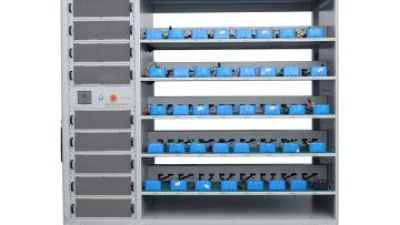
The realm of energy storage solutions is rapidly evolving, with a notable emphasis on enhancing battery management efficiency. In this landscape, the introduction of 80-channel battery charging and discharging test cabinets has emerged as a game-changing innovation. These advanced systems are engineered for precision and reliability, allowing for comprehensive performance evaluations of batteries across multiple channels simultaneously. By facilitating detailed analysis, they contribute significantly to optimizing battery life and ensuring reliability in various applications, from electric vehicles to renewable energy systems.
Data suggests that the global Battery Testing equipment market is projected to reach $1.5 billion by 2025, driven by the increasing demand for advanced battery technologies. The ability to conduct thorough assessments across 80 channels not only accelerates research and development cycles but also enhances the accuracy of performance metrics. Furthermore, studies indicate that effective battery management can improve operational efficiency by up to 30%, indicating significant potential savings for industries reliant on energy storage systems.
Integrating such testing capabilities into energy storage solutions does not just benefit manufacturers but also end consumers, who ultimately rely on the longevity and dependability of battery systems. As the demand for sustainable energy continues to grow, the focus on sophisticated testing technologies like 80-channel cabinets will be pivotal in advancing the industry toward more efficient and reliable battery management practices.
FAQS
: A battery health checker helps assess battery performance and informs users about maintenance needs.
Many users are unaware of the impact poor battery health has on device functionality.
They evaluate factors like charge cycles and capacity degradation over time.
Neglecting battery health can lead to reduced efficiency and unexpected device shutdowns.
There are apps for smartphones and dedicated devices for laptops or electric vehicles.
Consider your device type and specific needs when selecting a checker.
Take time to understand the metrics and consult experts for better insights.
Regular checks are recommended, ideally every few months, to monitor battery condition.
Yes, unexpected shutdowns can disrupt tasks and reduce overall productivity.
Yes, some checkers provide detailed analyses, but understanding them might take time.
Conclusion
A Battery Health Checker is an essential tool for assessing the performance and longevity of your device's battery. By understanding the different types of battery health checkers available and selecting the right one for your device, you can gain valuable insights into your battery's condition. The step-by-step guide to using a battery health checker enables users to easily evaluate metrics, while interpreting the results helps identify potential issues that may affect performance.
To maintain optimal battery health, it's crucial to implement best practices based on the findings of your battery health checker. This includes addressing common issues that may arise and taking proactive steps to enhance your device's efficiency. By regularly using a Battery Health Checker, users can ensure their devices run smoothly and efficiently, ultimately extending battery life and improving overall performance.

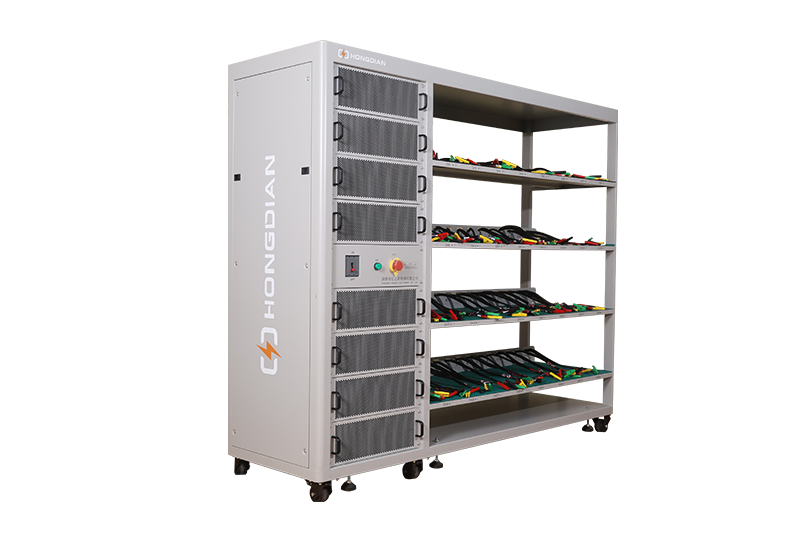 32/48 channel battery charging and discharging test integrated battery cabinet
 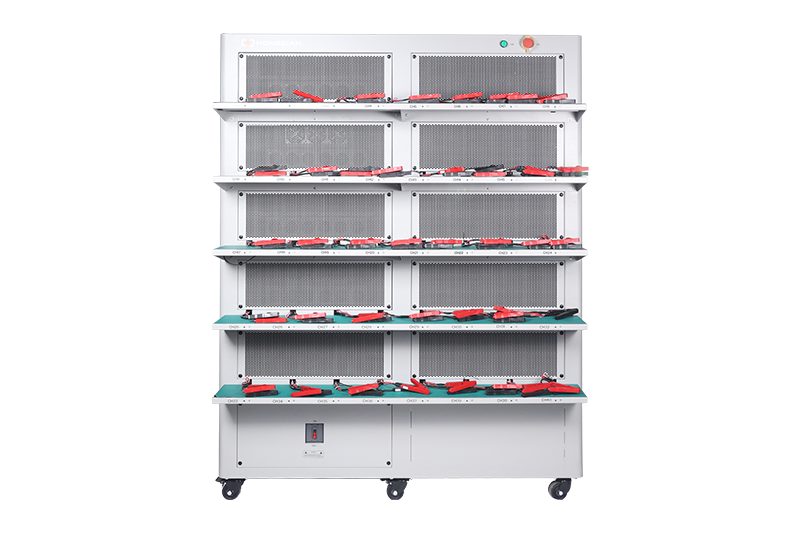 40 channel battery charging and discharging test integrated battery cabinet
  64 channel battery charging and discharging test integrated battery cabinet
 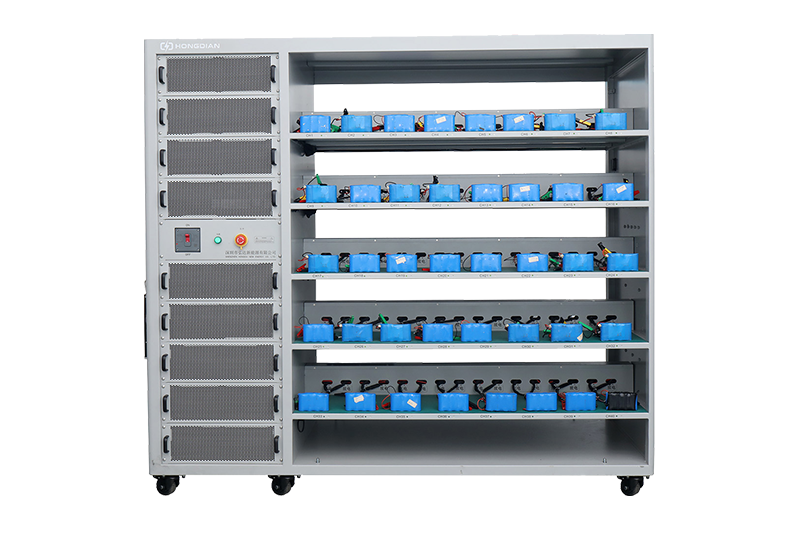 80 channel battery charging and discharging test integrated battery cabinet
  Cylindrical Lithium Batteries
  Lithium Polymer Batteries
 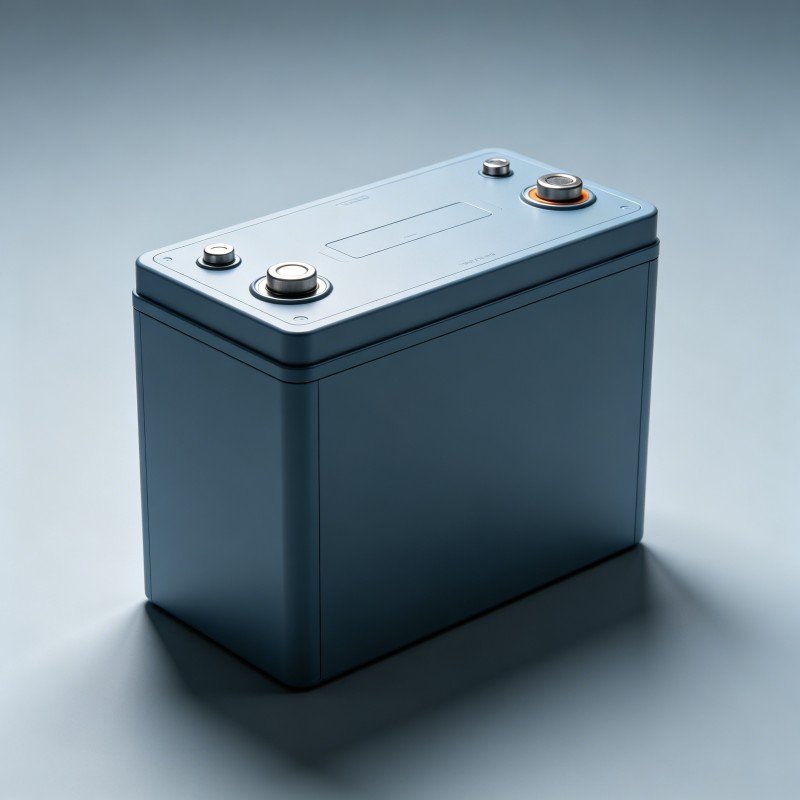 Prismatic Lithium Batteries
  Coin Cell Batteries
  Custom Battery Pack Solutions
 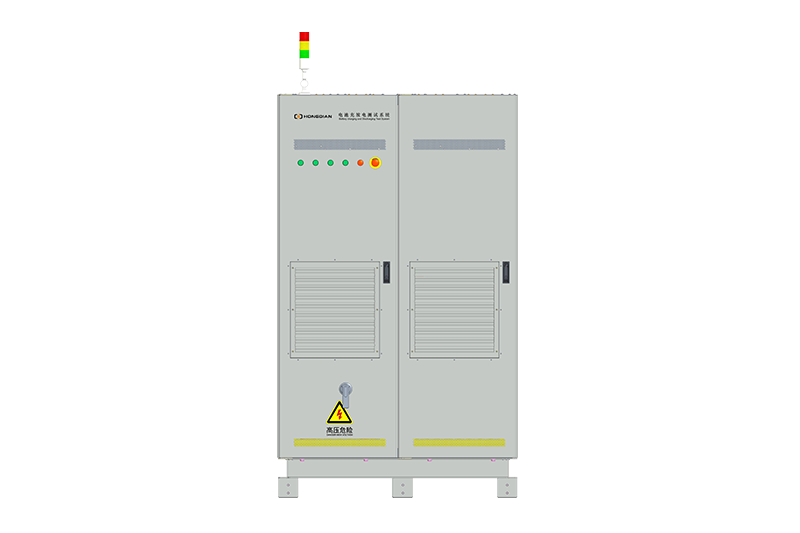 1000V-1500V High Voltage High Current Battery Testing System
 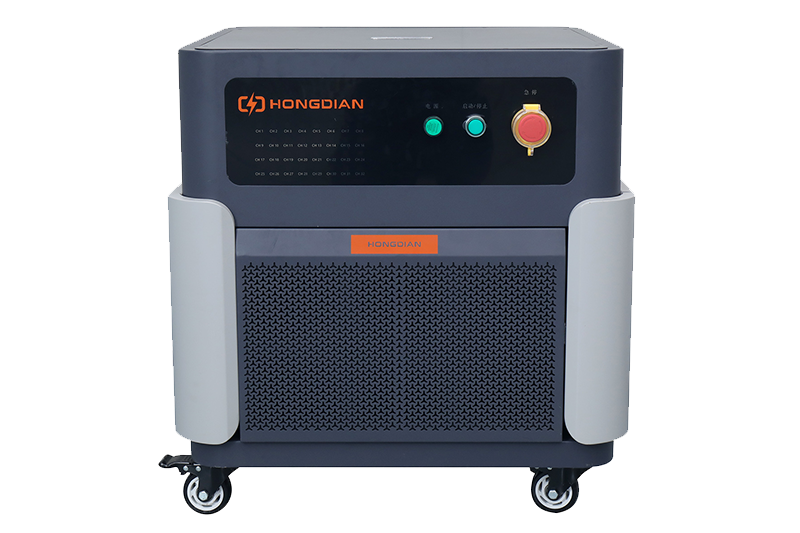 High-Precision Battery Testing System for Enhanced Performance Monitoring 30V/60V/100V/120V
 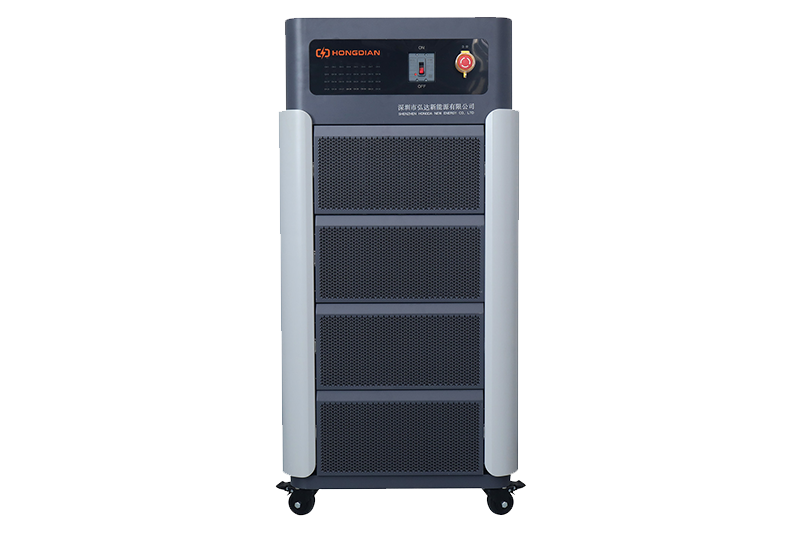 High-Precision Battery Charge Discharge Test Systems for EV Manufacturers
 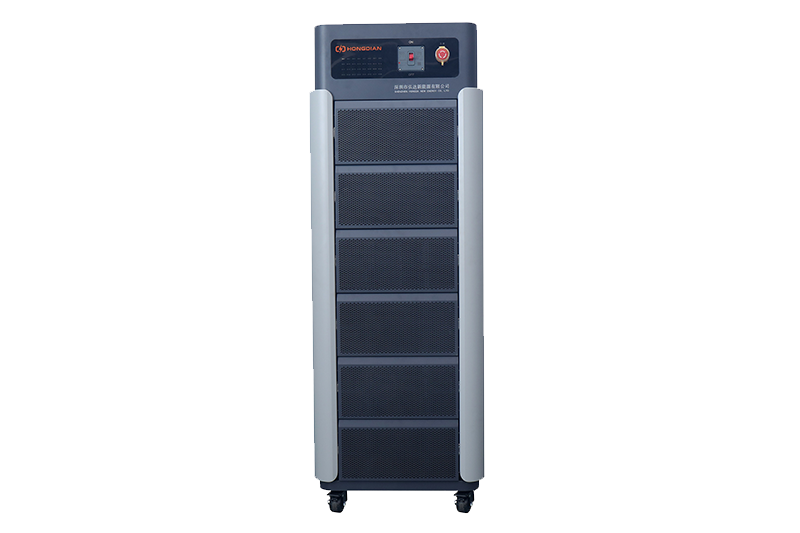 Precision Battery Test Racks for Cell Capacity & Internal Resistance Measurement
  Multi-Channel Battery Testing Equipment for Parallel Performance Analysis